Blood Moon to glow over WA at a respectable hour
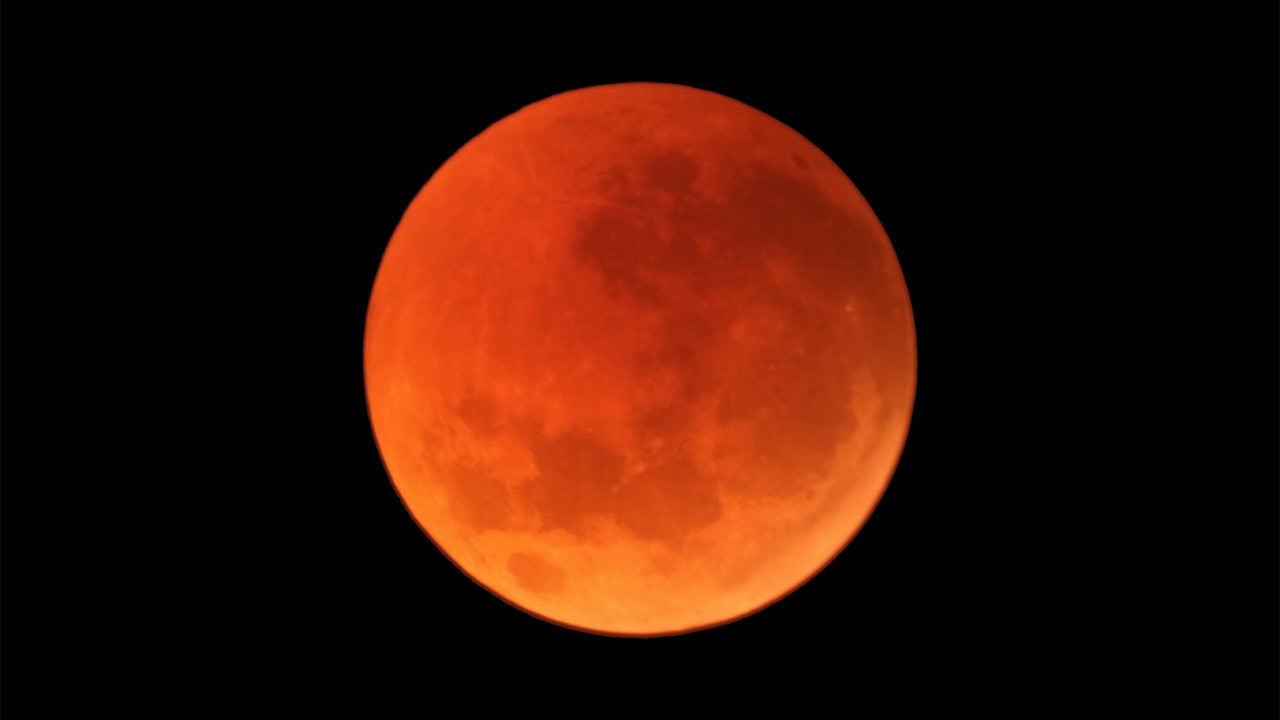
On 3 March, the Moon will pass completely into Earth’s inner shadow, known as the umbra, Latin for shadow. The result will be a spectacular Total Lunar Eclipse, often called a Blood Moon.
As the Moon moves into Earth’s shadow, it will look as though a bite is slowly being taken from it. Once fully immersed in the umbra, it transforms into a deep red or copper colour. While there was a Total Lunar Eclipse in early September last year, cloud cover spoiled the view for most of Perth. With clear skies currently forecast, this is set to be the first properly visible Total Lunar Eclipse for many locals since November 2022.
If you miss it or can’t see it, don’t worry, we’ll be live-streaming the eclipse for our friends at timeanddate.com.
Why Does the Moon Turn Red?
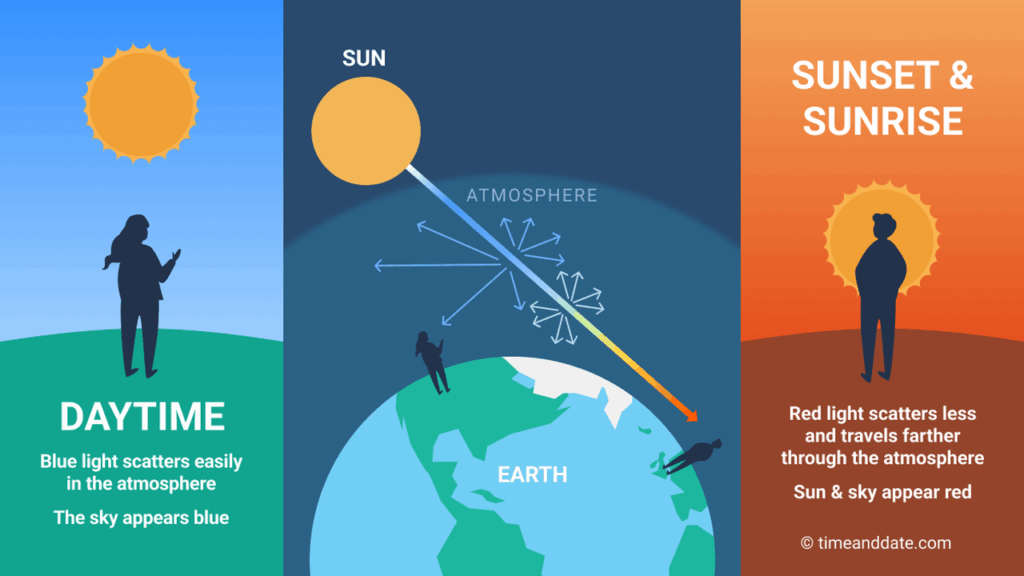
Unlike a total solar eclipse, where the Moon completely blocks the Sun, a lunar eclipse happens when Earth moves between the Sun and the Moon. Even though Earth blocks direct sunlight, some light still filters through our atmosphere.
Sunlight contains a spectrum of colours. The oxygen and nitrogen in Earth’s atmosphere scatter the shorter blue wavelengths, while the longer red and orange wavelengths bend into Earth’s shadow and illuminate the Moon, this process it called Rayleigh Scattering. It is essentially every sunrise and sunset on Earth projected onto the lunar surface at once.
The exact shade can vary from bright copper to deep blood red, depending on atmospheric dust, recent volcanic activity, and overall air clarity. No two Total Lunar Eclipses ever look exactly the same.
Eclipse Timing for Perth, AWST:
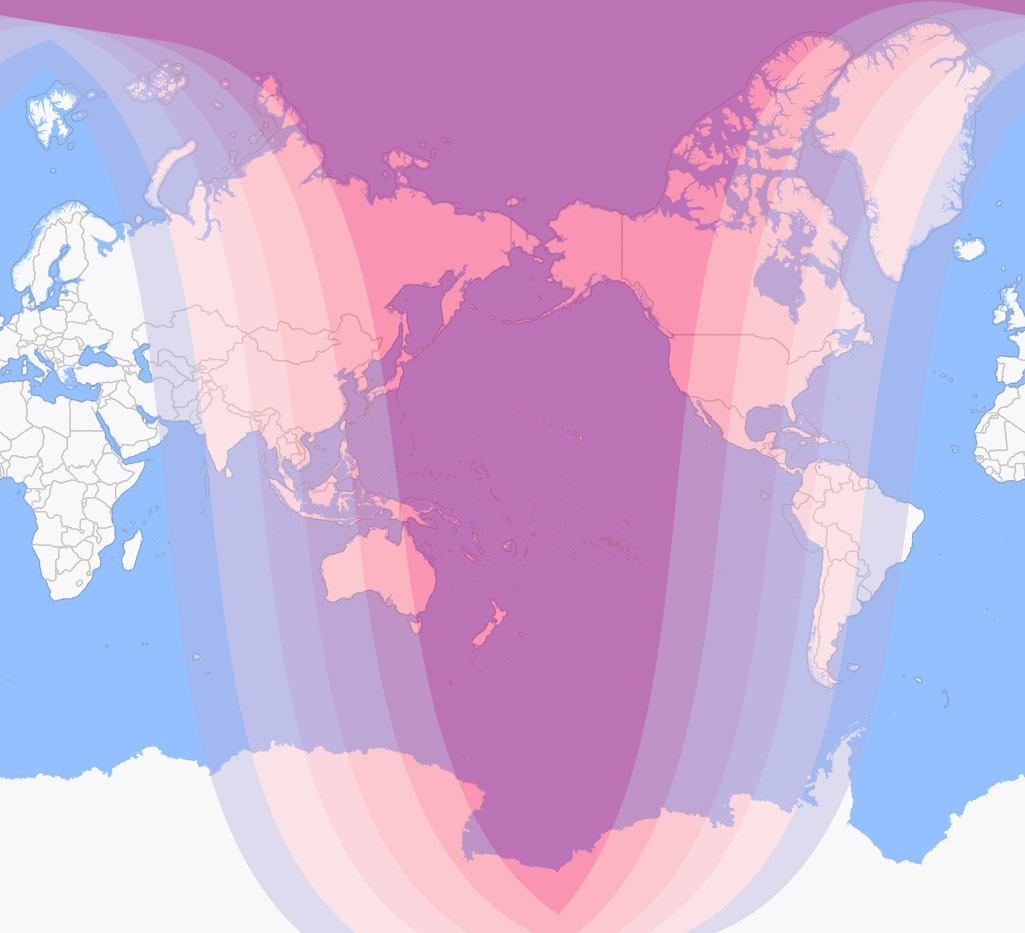
The good news is this eclipse happens at a very civilised hour.
The partial eclipse begins at 5:50 pm, just before moonrise.
The Moon rises at 6:43 pm, already partially eclipsed.
Totality begins at 7:04 pm and lasts for 58 minutes.
The Moon begins to emerge from totality at 8:02 pm.
The eclipse ends at 9:17 pm.
Because totality begins while twilight still lingers and the Moon is low on the eastern horizon, it may initially appear quite dim and harder to spot. As the sky darkens, the red tones will become more striking.
How to Watch
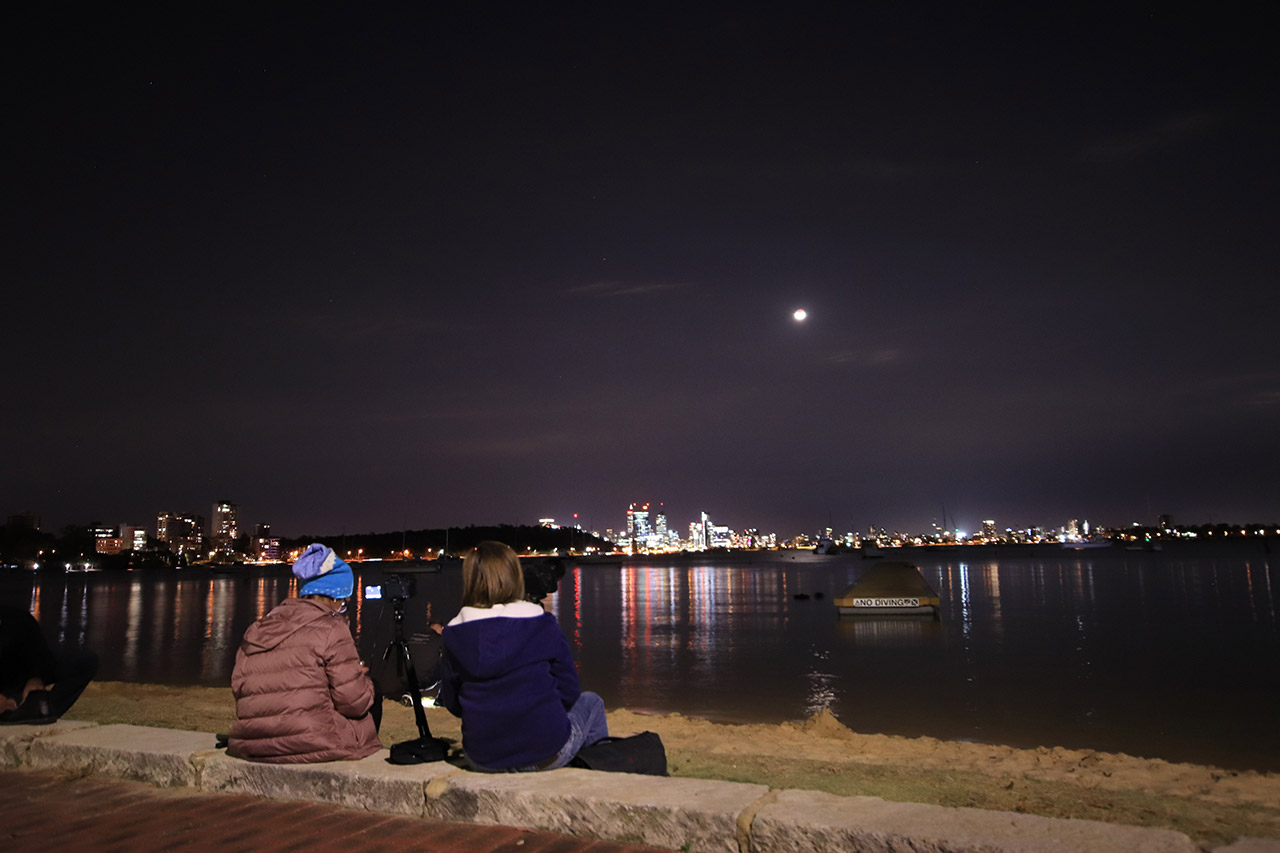
No special equipment is required. A Total Lunar Eclipse is completely safe to view with the naked eye and is perfect for families.
Binoculars enhance the view, revealing subtle colour variations, while a telescope will show lunar surface detail bathed in red tones.
You can watch from your own front or back yard, but locations with a clear eastern horizon will offer the best early views. Elevated or open spaces such as Kings Park or large open reserves are ideal.
Photographing the Blood Moon
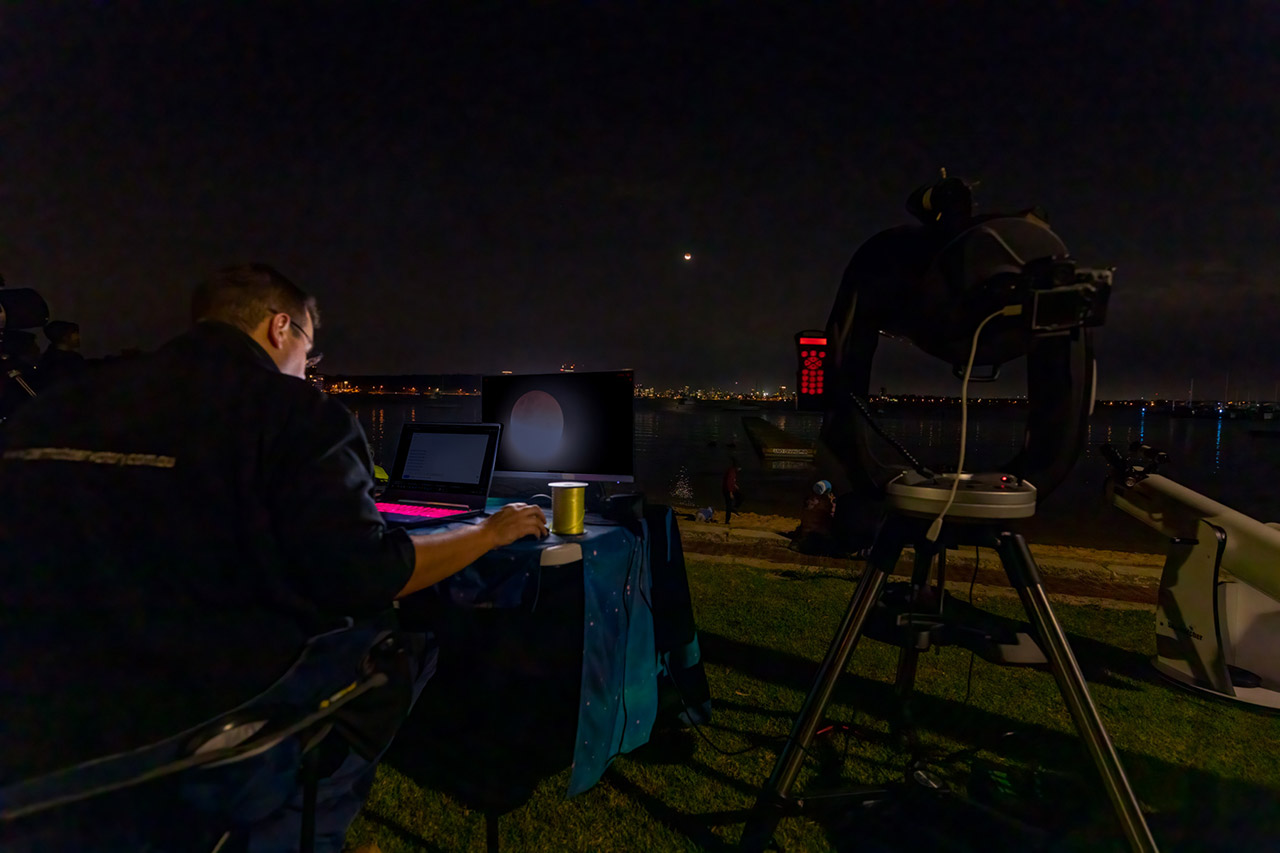
Capturing the eclipse is relatively straightforward.
Use a sturdy tripod and a telephoto lens of 300mm or longer. Shoot in manual mode to account for the dramatic change in brightness throughout the event.
For the brighter partial phases, start with:
- ISO 100 to 400
- Shutter speed around 1/250 second
During totality, increase sensitivity and exposure:
- ISO 800 to 1600
- Shutter speeds between 1 and 2 seconds
Because the Moon darkens significantly during totality, exposure adjustments are essential to capture the rich red tones.
Eclipses Through History
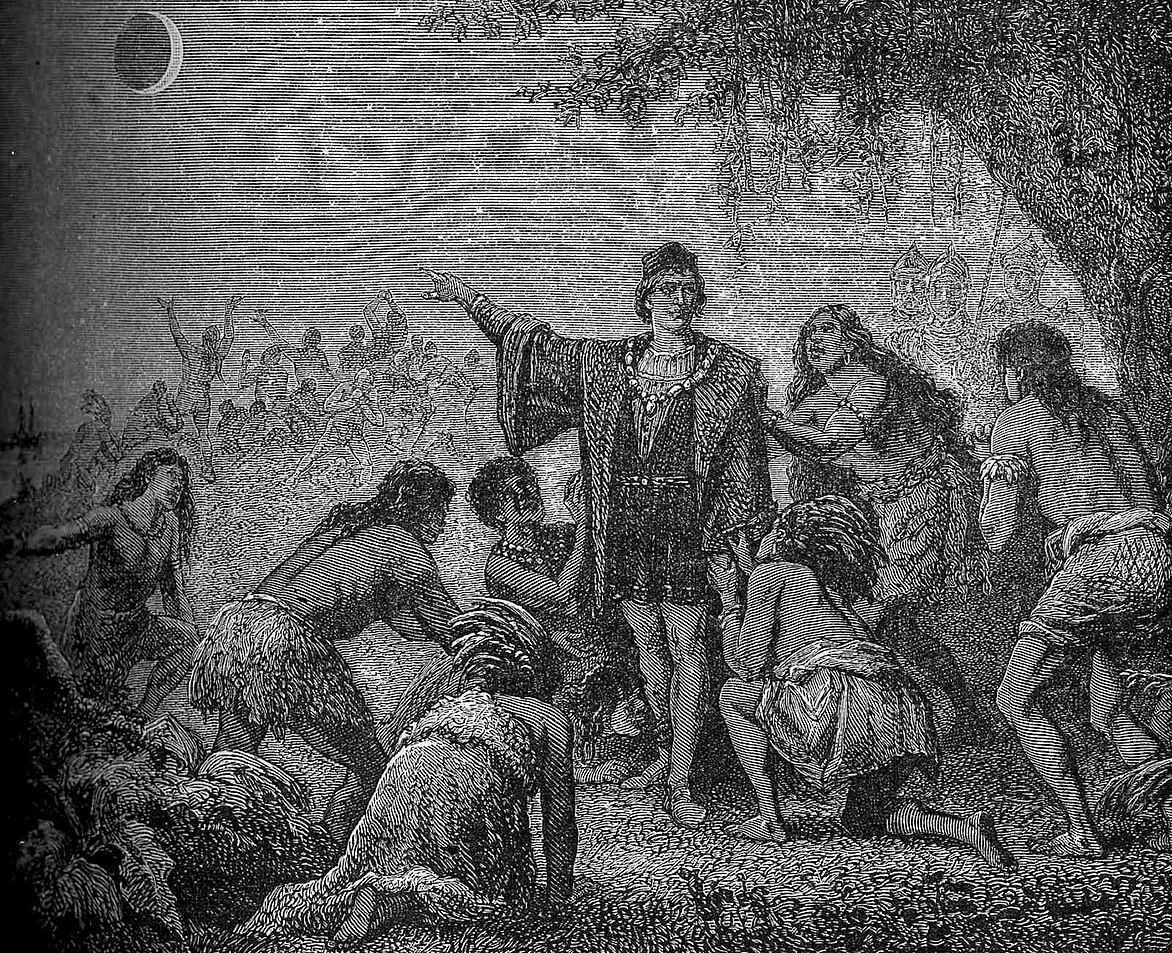
Throughout history, lunar eclipses have often been viewed as ominous events. The reddish Moon was interpreted by many cultures as a cosmic battle, divine anger, or a monster devouring the sky.
The Inca believed a jaguar was eating the Moon and would shout and brandish weapons to scare it away. In ancient China, people rang bells to frighten off what they believed was a dragon biting the Moon. In Mesopotamia, eclipses were seen as an attack on the king, sometimes leading to the installation of a temporary “surrogate king” to absorb the danger.
The Maya kept detailed eclipse records, linking them to celestial cycles. In India, the demon Rahu was said to swallow the Moon. The Batammaliba people of West Africa interpreted eclipses as a fight between the Sun and Moon, encouraging reconciliation and the settling of disputes.
History has even been altered by eclipses. In 413 BC, the Athenian commander Nicias delayed a military retreat due to an eclipse, contributing to a devastating defeat. In 1504, Christopher Columbus famously used his knowledge of an upcoming eclipse to persuade Indigenous communities in Jamaica to continue supplying his crew.
When Is the Next One?
After this event, Perth will need to wait until New Year’s Eve 2028 for the next Total Lunar Eclipse.
2028 will be a remarkable year for Western Australia, featuring:
A Partial Lunar Eclipse in the early morning of 7 July.
A Total Solar Eclipse near Kununurra on 22 July.
For now, all eyes turn to 3 March, when Earth’s shadow will paint the Moon red over Perth’s evening sky.